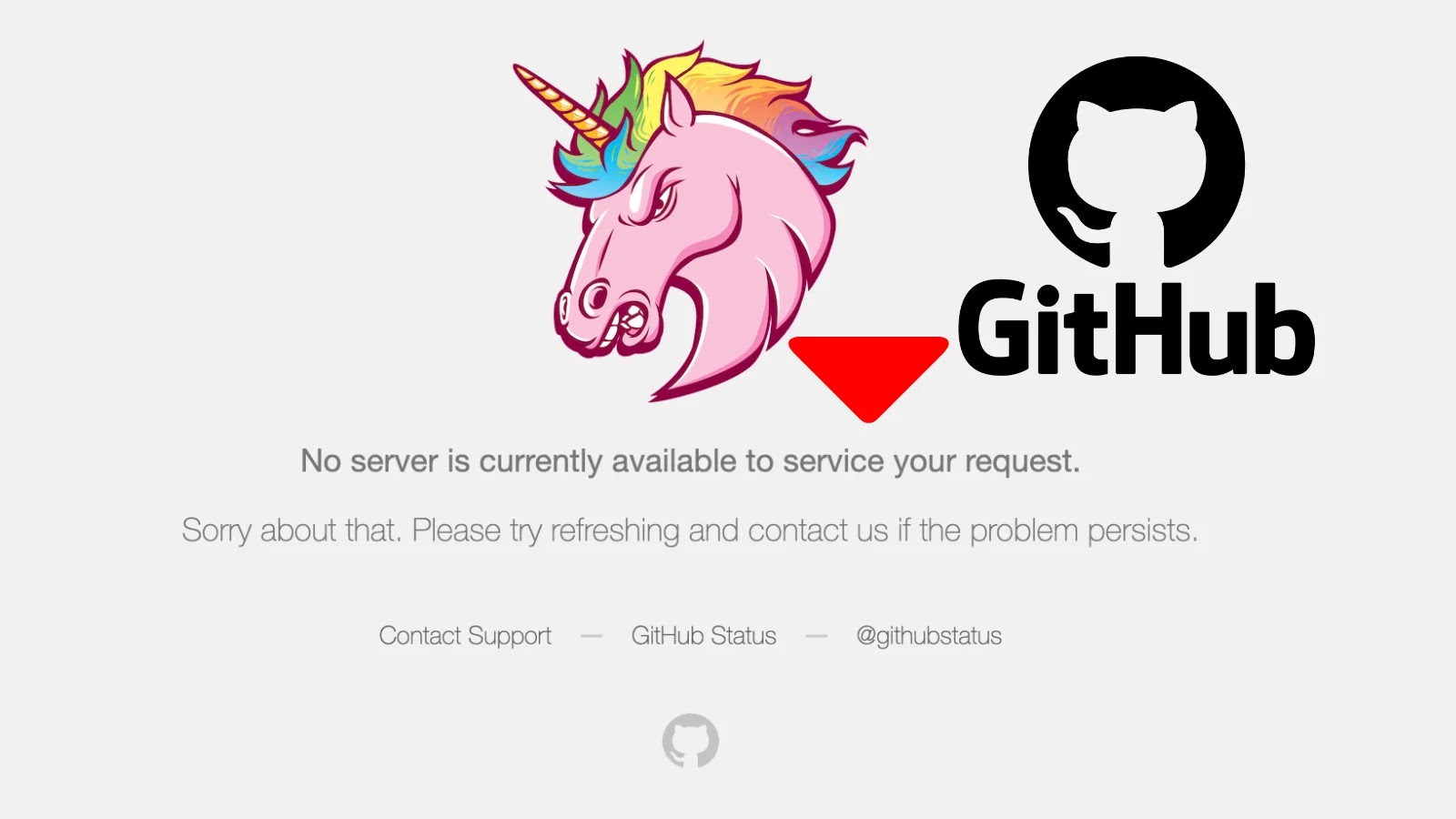
GitHub Outage Frustrates Developers with ‘No Server Available’ Error
On December 11, 2025, GitHub, the world’s leading platform for code hosting and collaboration, experienced significant service disruptions. Developers worldwide encountered a prominent error message featuring GitHub’s unicorn mascot stating, No server is currently available to service your request. This issue impeded access to repositories, code pushes, and user logins, causing substantial workflow interruptions for millions who depend on GitHub for software development.
Reports of the outage began surfacing early on December 11, with a notable concentration of complaints from regions like India during peak evening hours. Users across various forums and monitoring platforms shared screenshots of the error, highlighting the widespread nature of the problem. While the disruption did not constitute a complete global blackout, the intermittent failures mirrored previous incidents that have affected both enterprise teams and open-source contributors.
GitHub’s status page acknowledged the issue, stating, We are investigating a rise in request failures on several services, which encompassed core functionalities such as Git operations, Actions, and Pages. Interestingly, regional status pages for the European Union, the United States, and Australia displayed all components as operational, suggesting that the outages were not uniform across all regions. Additionally, Downdetector, a platform that tracks service outages, recorded sparse complaints, primarily from mid-November, without indicating a significant spike that would confirm a massive outage.
User Impact and Workarounds
Developers reported that the error persisted for durations ranging from 2 to 5 minutes per occurrence. This pattern of brief, intermittent disruptions has been a recurring theme in GitHub’s history, with community discussions highlighting similar issues over the years. The impact was particularly severe for those relying on Continuous Integration and Continuous Deployment (CI/CD) pipelines and remote repository pulls. To mitigate these challenges, some developers resorted to using local mirrors or alternative platforms like GitLab to maintain their workflows.
Cybersecurity professionals who monitor threat repositories faced additional delays in tracking vulnerabilities due to the outage. Common temporary solutions included refreshing the page, toggling VPN connections, or utilizing cached clones of repositories. However, for persistent issues, many users were compelled to submit support tickets to GitHub for resolution.
Historically, GitHub has encountered similar server unavailability errors, often attributed to backend overloads rather than malicious cyberattacks. For instance, a thread from 2022 highlighted weekly recurrences of such issues, and in November 2025, Git operations failures were resolved within a few hours. As of now, GitHub has not publicly disclosed the root cause of the current outage. Monitoring platforms like StatusGator have noted unacknowledged disruptions in web access and instances of 500 errors, indicating underlying technical challenges.
This incident underscores the scalability challenges faced by GitHub, especially as its user base has surpassed 100 million. The growing demand for robust and redundant infrastructure is evident, with the developer community calling for enhanced measures to prevent future disruptions. In many cases, simply refreshing the page or waiting for the system to propagate changes has proven effective in swiftly resolving access issues.