Rivian’s AI Assistant: Revolutionizing the Driving Experience
Rivian, the innovative electric vehicle (EV) manufacturer, has been diligently developing its proprietary AI assistant over the past two years. This ambitious project operates independently from its substantial technology partnership with Volkswagen, underscoring Rivian’s commitment to delivering a unique and integrated user experience.
Anticipated Launch and Upcoming Announcements
While Rivian has not specified an exact release date for the AI assistant, earlier this year, the company’s Chief Software Officer, Wassym Bensaid, indicated a target by year’s end. Enthusiasts and industry observers are eagerly awaiting further details, which are expected to be unveiled during Rivian’s AI & Autonomy Day, scheduled for a livestream at 9 a.m. PT on December 11.
Strategic Development in a Rapidly Evolving AI Landscape
The rapid advancements in AI by leading tech companies and startups have prompted various industries to adapt swiftly. Rivian’s approach, however, is far from a mere reaction to industry trends. Bensaid emphasized that the AI assistant is not just an add-on feature but a thoughtfully crafted system designed to seamlessly integrate with all vehicle controls, enhancing the overall driving experience.
A Model and Platform Agnostic Architecture
From the project’s inception, Rivian aimed to create an architecture that is both model and platform agnostic. The AI assistant team, based in Palo Alto, recognized the importance of developing software layers that effectively coordinate various workflows and resolve potential conflicts. This led to the creation of an in-vehicle platform utilizing an agentic framework, allowing for compatibility with diverse models and ensuring a cohesive user experience.
Vertical Integration and Comprehensive Overhaul
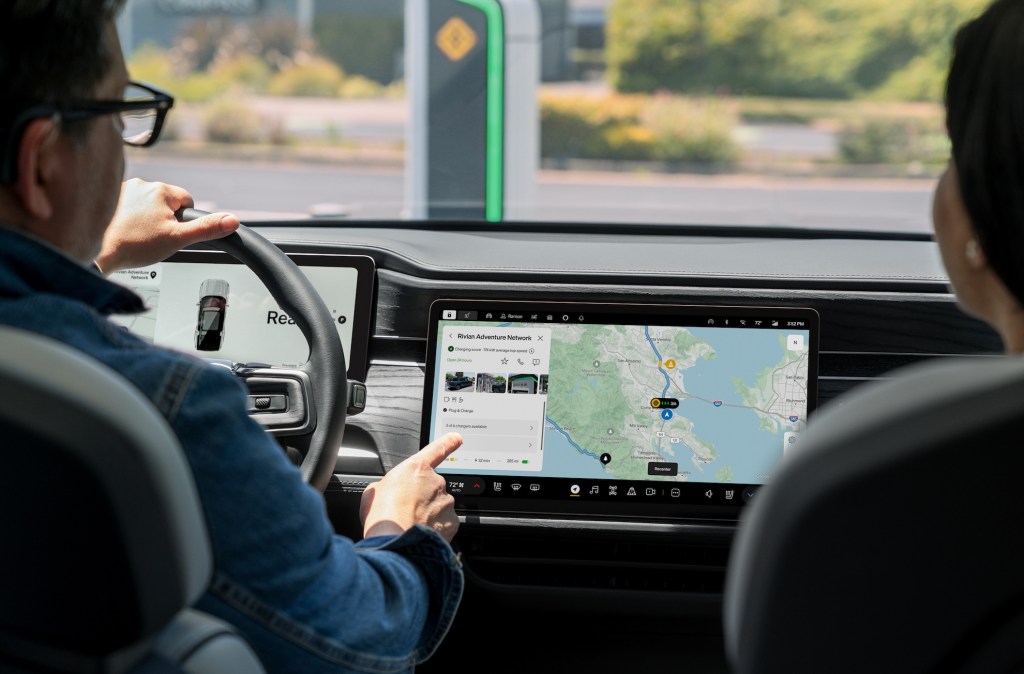
The development of the AI assistant aligns with Rivian’s broader strategy of vertical integration. In 2024, the company undertook a comprehensive overhaul of its flagship R1T truck and R1S SUV, updating components ranging from the battery pack and suspension system to the electrical architecture, sensor suite, and user interface. This holistic approach ensures that the AI assistant is deeply embedded within the vehicle’s ecosystem, offering a unified and intuitive interface for drivers.
Investment in Proprietary Software Stack
Rivian has invested significantly in enhancing its software stack, encompassing real-time operating systems that manage critical vehicle functions such as thermal dynamics, advanced driver-assistance systems (ADAS), and safety protocols. Additionally, the company has focused on refining the infotainment system to provide a seamless and engaging user experience.
Hybrid AI Approach: Edge and Cloud Integration
While specific details about the AI assistant remain under wraps, Bensaid revealed that it comprises a combination of models tailored for specific tasks. This hybrid software stack integrates edge AI, where tasks are processed directly on the device, and cloud AI, which handles more complex computations on remote servers. This design ensures flexibility and customization, allowing the AI assistant to efficiently manage workloads between the vehicle and the cloud.
In-House Development with Strategic Partnerships
Rivian has developed much of the AI software stack internally, including custom models and an orchestration layer that ensures harmonious operation among various AI components. For specialized AI functions, the company has collaborated with external partners, demonstrating a balanced approach between in-house innovation and strategic alliances.
Enhancing Customer Trust and Engagement
The primary objective of Rivian’s AI assistant is to foster increased customer trust and engagement. By delivering a reliable and intuitive system, Rivian aims to set a new standard in the EV market, offering drivers an unparalleled interactive experience.
Distinct from Volkswagen Joint Venture
It’s important to note that the AI assistant initiative is separate from Rivian’s joint venture with Volkswagen, which focuses on electrical architecture, zonal computing, and infotainment systems. While autonomy and AI are currently distinct areas, Bensaid hinted at potential future integrations, suggesting that the collaboration may evolve to encompass these technologies.
Conclusion
Rivian’s development of its own AI assistant signifies a significant leap in the EV industry, reflecting the company’s dedication to innovation and superior user experience. As the anticipated launch approaches, the automotive world eagerly awaits the transformative impact this technology will have on driving dynamics and customer interaction.