Emerging Threat: Malicious MCP Servers Exploit Prompt Injection to Drain AI Resources
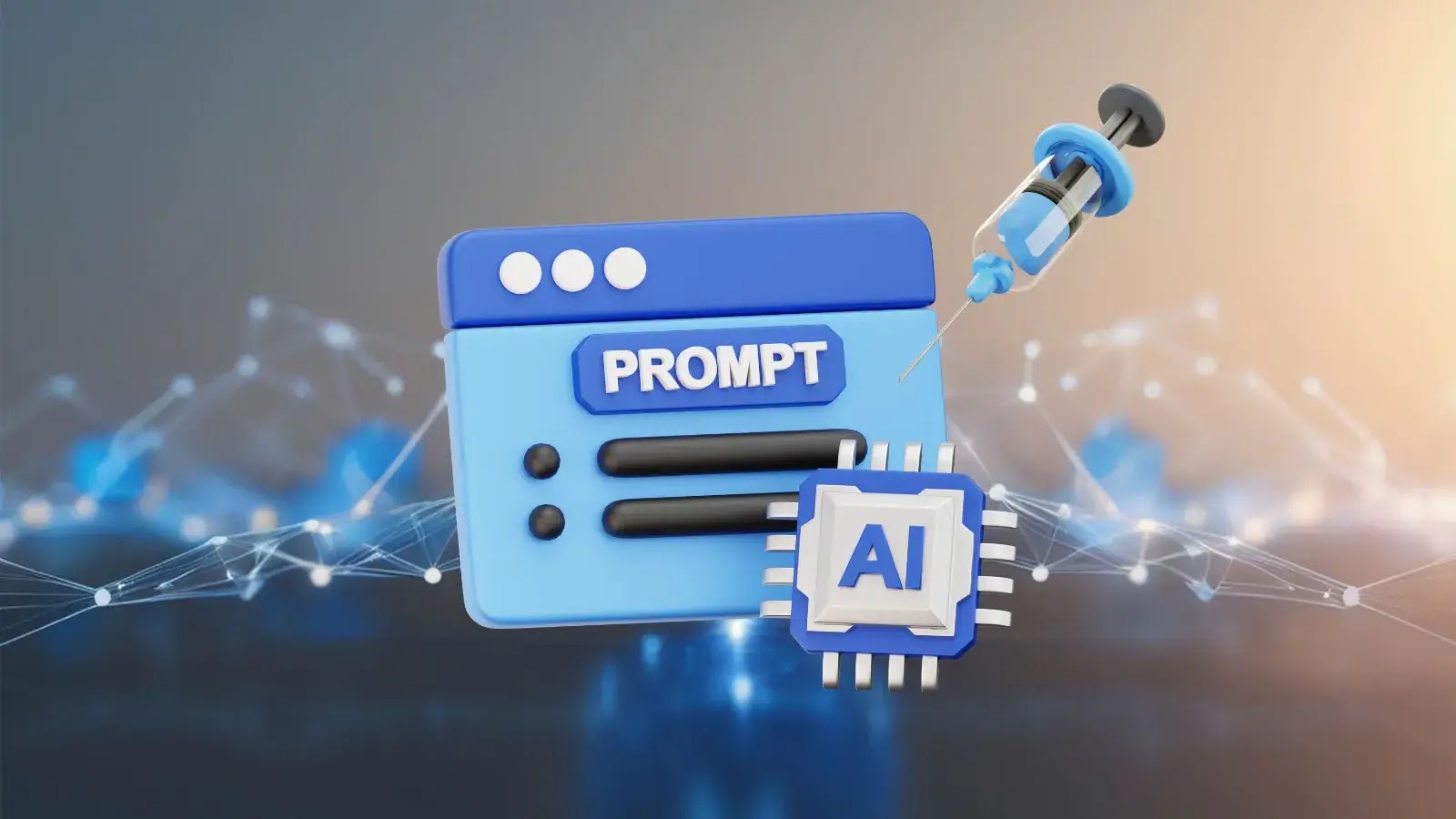
Security researchers have recently identified critical vulnerabilities within the Model Context Protocol (MCP), particularly its sampling feature, which can be exploited by malicious servers to compromise Large Language Model (LLM)-integrated applications. These vulnerabilities enable attackers to perform resource theft, hijack conversations, and execute unauthorized system modifications.
Understanding the Model Context Protocol (MCP):
Introduced by Anthropic in November 2024, the Model Context Protocol was designed to standardize the integration of large language models with external tools and data sources. While MCP aims to enhance AI capabilities, its sampling feature—which allows MCP servers to request LLM completions—has been identified as a significant security risk when not properly safeguarded.
Three Critical Attack Vectors:
Researchers from Palo Alto Networks have demonstrated three proof-of-concept attacks targeting a widely used coding copilot, highlighting the potential dangers of these vulnerabilities:
1. Resource Theft:
Attackers can inject hidden instructions into sampling requests, causing LLMs to generate unauthorized content that remains invisible to users. For instance, a malicious code summarizer might append instructions for generating fictional stories alongside legitimate code analysis. This covert operation consumes substantial computational resources and API credits without the user’s knowledge, effectively draining AI compute quotas.
2. Conversation Hijacking:
Compromised MCP servers can inject persistent instructions that alter the behavior of AI assistants throughout an entire session. In one demonstration, hidden prompts forced AI assistants to speak like a pirate in all subsequent responses. Such manipulations can degrade the usefulness of the assistant and potentially enable harmful behavior.
3. Covert Tool Invocation:
Malicious servers can leverage prompt injection to trigger unauthorized tool executions. Researchers demonstrated how hidden instructions could initiate file-writing operations, leading to data exfiltration, persistence mechanisms, and unauthorized system modifications without explicit user consent.
Root Cause of Vulnerabilities:
The core issue lies in MCP sampling’s implicit trust model and the absence of built-in security controls. Malicious servers can modify prompts and responses, embedding hidden instructions while appearing as legitimate tools.
Recommended Defense Strategies:
To mitigate these risks, organizations should implement multiple layers of defense:
– Request Sanitization: Utilize strict templates to separate user content from server modifications, ensuring that only authorized instructions are processed.
– Response Filtering: Implement mechanisms to detect and remove instruction-like phrases from responses, preventing unauthorized commands from being executed.
– Access Controls: Limit server capabilities by enforcing strict access controls, ensuring that only trusted servers can interact with LLMs.
– Token Limits: Set token limits based on the type of operation to prevent excessive resource consumption.
– Explicit Approval for Tool Execution: Require explicit user approval for any tool execution initiated by the AI assistant, adding an additional layer of security.
Furthermore, organizations should evaluate AI security solutions, including runtime protection platforms and comprehensive security assessments, to safeguard their AI infrastructure. As LLM integration becomes increasingly prevalent across enterprise applications, securing AI systems against such vulnerabilities is of paramount importance.