Apple’s 2026 Mac Lineup: Affordable Innovation Meets High-End Transformation
Apple is poised to redefine its Mac lineup in 2026 with two groundbreaking releases: an entry-level MacBook designed for budget-conscious consumers and a high-end MacBook Pro that introduces significant technological advancements.
Early 2026: Introducing the Affordable MacBook
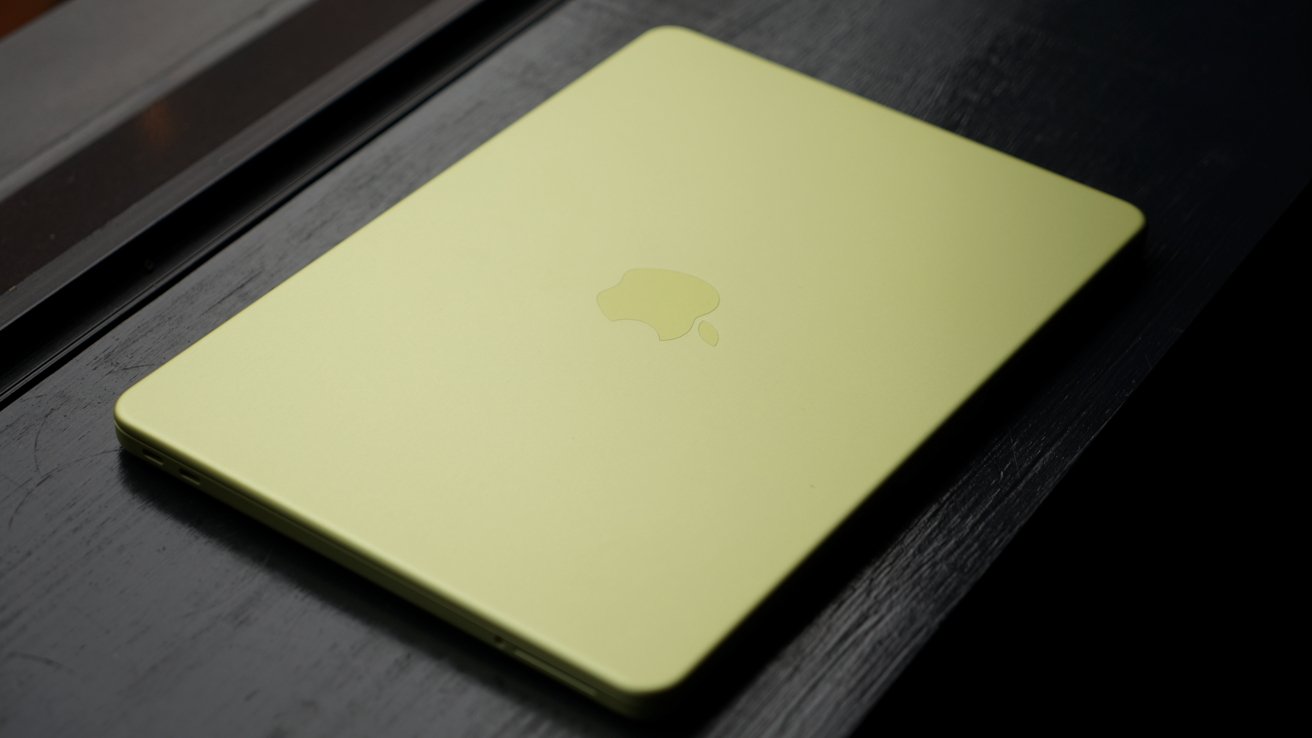
In the first quarter of 2026, Apple plans to unveil a new MacBook model aimed at making Mac computing more accessible. This device is expected to feature a 12.9-inch display and be available in vibrant colors such as blue, pink, and yellow. Powered by the A18 Pro chip, commonly found in the latest iPhones, this MacBook is anticipated to be priced between $599 and $699.
This strategic move marks a departure from Apple’s traditional pricing strategy, positioning the new MacBook as a competitive alternative to budget-friendly Chromebooks and PCs. By integrating an iPhone-class processor, Apple aims to leverage its existing ecosystem, offering seamless interoperability between devices. This approach is likely to attract a broader audience, particularly iPhone users who have yet to adopt a Mac due to cost considerations.
Late 2026: The Revolutionary M6 MacBook Pro
Later in 2026, Apple is set to launch a redesigned MacBook Pro equipped with the M6 chip. This model is expected to be thinner and lighter, featuring an OLED display without a notch and, notably, touch support—a first for MacBooks. Additionally, there are speculations about the inclusion of a 5G cellular option, utilizing Apple’s in-house C2 modem.
The introduction of touch functionality signifies a significant shift in Apple’s design philosophy. Historically, the company has resisted incorporating touchscreens into its Mac lineup, maintaining a clear distinction between macOS and iOS interfaces. This change suggests a new era for the Mac, potentially enhancing user experience and productivity by offering more versatile input methods.
Implications for the Mac Ecosystem
These upcoming releases reflect Apple’s commitment to diversifying its Mac offerings to cater to a wider range of users. The affordable MacBook aims to capture market share among budget-conscious consumers and educational institutions, while the advanced MacBook Pro targets professionals seeking cutting-edge technology.
By integrating features like touch support and potential cellular connectivity, Apple is blurring the lines between its product categories, fostering a more cohesive and flexible ecosystem. This strategy not only enhances the appeal of Macs but also strengthens the overall Apple ecosystem, encouraging users to invest more deeply in Apple’s suite of products and services.