Rivian Integrates Apple Car Key into Second-Generation R1 Vehicles
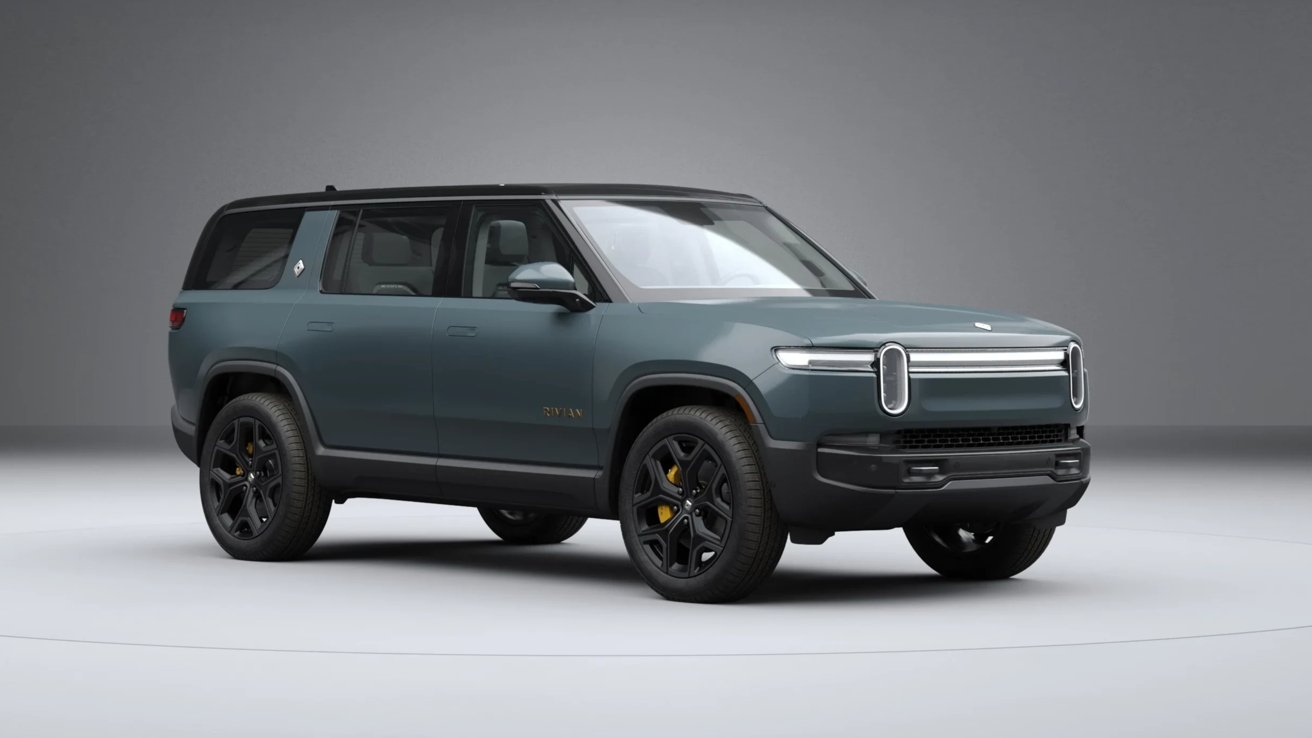
Rivian, the innovative electric vehicle manufacturer, is set to enhance user convenience by integrating Apple Car Key support into its second-generation R1S and R1T models. This advancement, scheduled for release through the 2025.46 over-the-air update later this December, will allow owners to unlock, lock, and start their vehicles directly via Apple Wallet on their iPhone or Apple Watch, eliminating the need for the Rivian app.
The integration of Apple Car Key signifies a significant shift in vehicle access technology. By embedding the digital key within Apple Wallet, Rivian owners can now experience seamless vehicle entry and ignition, akin to using a digital pass. This move aligns with the growing trend of digitalization in the automotive industry, where physical keys are becoming obsolete.
A notable feature of this update is the utilization of Ultra Wideband (UWB) technology in the second-generation R1 vehicles. UWB offers precise proximity detection, enhancing the reliability and responsiveness of the digital key system compared to traditional Bluetooth-based methods. This means that the vehicle can accurately determine the distance to the device, reducing instances where the car might fail to recognize a nearby phone.
In scenarios where the iPhone’s battery is depleted, Near Field Communication (NFC) serves as a reliable fallback. Express Mode ensures that the Apple Car Key remains functional for several hours through Power Reserve, mitigating the risk of lockouts due to an uncharged device. This feature is particularly beneficial for users who might forget to charge their phones, ensuring uninterrupted access to their vehicles.
Rivian’s Vice President of Software Development, Wassym Bensaid, highlighted the upcoming feature in a recent announcement:
> Digital Key support is coming to @Rivian Gen 2 with the .46 OTA update later this month! Your car key now lives natively in your Apple, Google, and Samsung Phone Wallets. UWB support for high precision. Native Watch support. Unlocks via NFC even if your phone battery [is low].
This integration also introduces the ability to share digital keys with up to eight individuals through platforms like Messages, AirDrop, or other supported apps. This functionality mirrors the existing process of sharing transit passes or event tickets via Apple Wallet, making it intuitive for users. The ease of sharing and revoking access enhances the flexibility for families and shared vehicle users, eliminating the need to exchange physical keys.
In addition to Apple Wallet, Rivian is extending support to Google Wallet and Samsung Wallet for compatible Android devices. This cross-platform compatibility underscores Rivian’s commitment to providing a versatile and user-friendly experience, catering to a diverse customer base.
It’s important to note that this update is exclusive to second-generation R1 vehicles equipped with the necessary UWB hardware. First-generation models lack this hardware and, consequently, will not receive the Apple Car Key feature. Rivian has cited the physical design limitations of the earlier platform as the reason for this exclusion.
Implications for Rivian and Its Customers
The adoption of digital keys is rapidly becoming a standard feature in modern vehicles. By integrating Apple Car Key, Rivian is aligning with industry expectations and enhancing the user experience. This update offers drivers quicker and more reliable access to their vehicles, reducing dependence on the Rivian app, which some users have found inconsistent for daily unlocking tasks.
The implementation of UWB technology significantly improves the system’s reliability. With precise distance measurement capabilities, drivers are less likely to encounter situations where the vehicle fails to recognize a nearby device. This advancement addresses common issues associated with previous Bluetooth-based systems, providing a more seamless experience.
For families and individuals who share vehicles, the ability to distribute digital keys simplifies access management. Users can quickly grant or revoke access without the logistical challenges of handling physical keys. This feature is particularly advantageous in scenarios where multiple drivers need access to the same vehicle, such as in family settings or car-sharing arrangements.
However, it’s essential to consider potential challenges. In the event of a lost or stolen phone, access to the vehicle is compromised until the owner removes the old Apple Car Key from their account. While the process to revoke access is straightforward, it highlights the dependency on mobile devices for vehicle access and the importance of device security.
Despite this significant integration, Rivian maintains its stance on in-car software by not incorporating Apple CarPlay into its vehicles. The company continues to promote its proprietary interface, retaining control over the in-cabin experience. This decision reflects Rivian’s strategy to balance the adoption of convenient features like Apple Car Key while preserving its unique user interface and brand identity.
In summary, Rivian’s integration of Apple Car Key into its second-generation R1 vehicles marks a substantial advancement in vehicle access technology. By leveraging UWB and NFC technologies, Rivian enhances the convenience, reliability, and security of its vehicles. This update not only aligns with industry trends but also demonstrates Rivian’s commitment to delivering a superior user experience.