Netflix’s Bold Move: Inside the $82.7 Billion Acquisition of Warner Bros.
In a landmark development poised to reshape the entertainment industry, Netflix has announced its intention to acquire Warner Bros. for a staggering $82.7 billion. This strategic move not only consolidates Netflix’s dominance in the streaming sector but also significantly enriches its content library with iconic franchises such as DC Comics, Game of Thrones, and Harry Potter.
The Genesis of the Acquisition
The journey toward this monumental deal began with Warner Bros. Discovery’s decision to explore a sale in October 2025. Burdened by substantial debt and facing challenges in streaming growth, the company attracted interest from several major players. Paramount initially emerged as a frontrunner, leveraging CEO David Ellison’s connections within the Trump administration to position itself favorably.
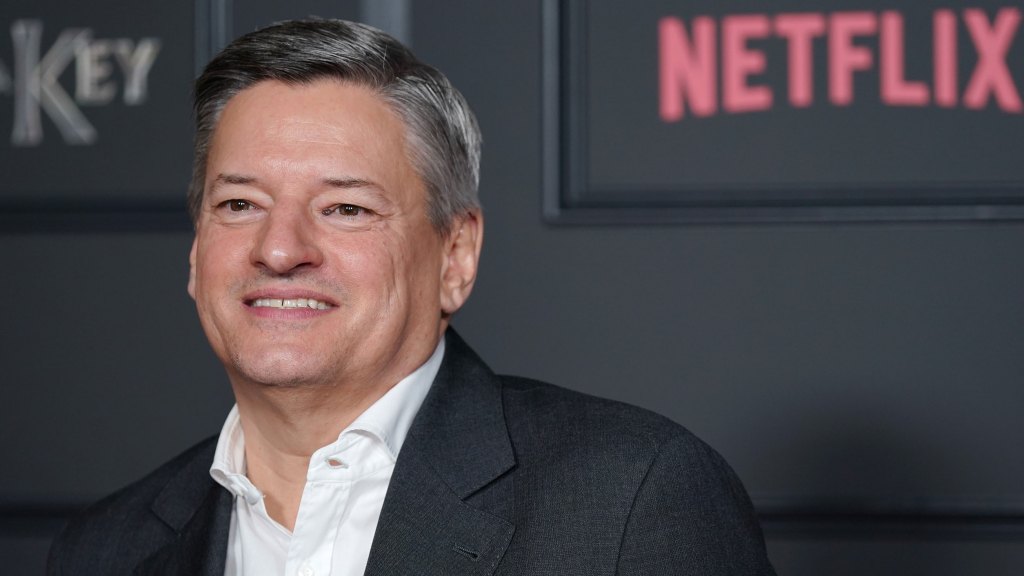
However, the dynamics shifted when Netflix co-CEO Ted Sarandos engaged directly with President Donald Trump in November 2025. Reports from Bloomberg and The Hollywood Reporter indicate that during their meeting, President Trump emphasized that Warner Bros. should sell to the highest bidder. Sarandos left the discussion with the impression that the administration would not immediately oppose Netflix’s acquisition efforts.
Presidential Endorsement and Regulatory Considerations
Following the public revelation of this meeting, President Trump confirmed its occurrence and expressed admiration for Netflix’s achievements and Sarandos’s leadership. He remarked, Netflix is a great company. They’ve done a phenomenal job. Ted is a fantastic man. I have a lot of respect for him. But it’s a lot of market share, so we’ll have to see what happens.
Despite this positive acknowledgment, the acquisition is expected to undergo rigorous scrutiny from federal regulators. The sheer scale of the deal raises potential antitrust concerns, as it would significantly alter the competitive landscape of the entertainment industry.
Warner Bros.’ Internal Dynamics
Internally, Warner Bros. CEO David Zaslav exhibited reluctance toward selling the company. He was particularly surprised by Paramount’s proactive acquisition attempts, especially since he anticipated that Ellison would wait until Warner Bros. completed its planned separation of movie and streaming businesses from its cable networks. This unexpected move prompted Warner Bros. to consider other bids, ultimately leading to a competitive process that Netflix won. However, the possibility of Paramount pursuing a hostile bid remains on the table.
Strategic Implications for Netflix
This acquisition aligns with Netflix’s ambitious goal of achieving a $1 trillion market capitalization. In April 2025, Sarandos articulated this vision, stating, In the previous five years, we’ve doubled our revenue, we grew profits 10 times, and we grew our market cap three times. So there is a path to it, obviously, but it’s all incredibly dependent on executing well.
By integrating Warner Bros.’ extensive content portfolio, Netflix aims to enhance its value proposition to subscribers, offering a more diverse and compelling array of programming. This move is particularly strategic in an era where content exclusivity and original productions are critical differentiators in the streaming wars.
Industry Reactions and Future Outlook
The announcement has elicited varied reactions within the industry. While some view it as a bold step toward innovation and growth, others express concerns about market consolidation and its implications for competition and consumer choice. Notably, in November 2025, Senators Elizabeth Warren, Bernie Sanders, and Richard Blumenthal voiced apprehensions regarding the potential sale, highlighting the need for careful regulatory examination.
As the acquisition process unfolds, stakeholders will closely monitor regulatory responses and the strategic maneuvers of competing entities. The outcome of this deal could set a precedent for future mergers and acquisitions in the entertainment sector, influencing how companies navigate growth, competition, and content distribution in an increasingly digital landscape.
Conclusion
Netflix’s proposed acquisition of Warner Bros. represents a pivotal moment in the evolution of the entertainment industry. By potentially merging two entertainment powerhouses, the deal promises to redefine content creation, distribution, and consumption patterns. However, the path forward is fraught with regulatory hurdles and competitive challenges. As the industry watches closely, the success of this acquisition will depend on strategic execution, regulatory approvals, and the ability to deliver enhanced value to consumers in a rapidly changing media environment.