Awear: The Wearable Revolutionizing Stress Management
In today’s fast-paced world, managing stress has become a paramount concern for many. Recognizing this need, Antonio Forenza, formerly the head of research and development at Rakuten Symphony, embarked on a mission to create a device that monitors and manages stress levels effectively. His journey led to the development of Awear, a groundbreaking wearable designed to combat chronic stress.
The Genesis of Awear
Forenza’s inspiration stemmed from his personal experience with weight loss, where he successfully shed 40 pounds using an Apple Watch to track his physical activity and calorie burn. This success prompted him to ponder the existence of a similar device for stress management. Realizing the absence of such a tool in the market, Forenza decided to leverage his engineering expertise to fill this gap.
Harnessing EEG Technology
Central to Awear’s functionality is the use of electroencephalogram (EEG) technology, a method over a century old, traditionally employed in clinical settings to diagnose conditions like epilepsy and sleep disorders. EEG measures electrical activity in the brain, specifically high-frequency beta waves associated with psychological stress. Prolonged presence of these beta waves can lead to exhaustion, insomnia, and mental distress.
Development and Features
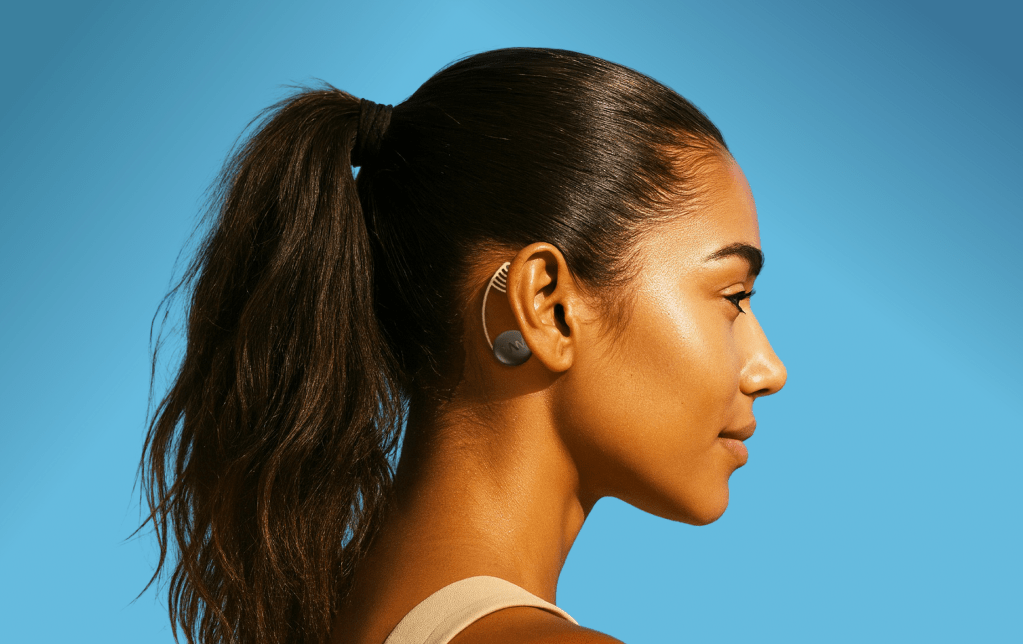
Collaborating with data scientists and biomedical engineers, Forenza developed Awear, a compact device worn discreetly behind the ear. This device continuously monitors brainwave activity and transmits the data to a companion app. The app provides users with real-time insights into their mood and offers AI-driven coaching advice aimed at managing stress and enhancing emotional resilience.
Forenza emphasizes the brain’s ability to self-adjust, often masking stress levels from our conscious awareness. He notes that while occasional activation of the ‘fight or flight’ response is natural, chronic activation can lead to severe health issues, including depression and anxiety.
Market Position and Recognition
Awear has garnered significant attention in the tech community. It was a finalist in the Startup Battlefield 200 at TechCrunch Disrupt 2025, where it clinched the health category pitch competition. This recognition underscores the device’s potential impact on personal health management.
Clinical Applications and Future Plans
Beyond consumer use, Awear is undergoing testing by Stanford University’s psychiatry department. The focus is on detecting confusion and disorientation in elderly patients post-surgery, highlighting the device’s versatility in medical applications.
Currently, Awear is available through an early-access program, priced at $195, which includes a complimentary lifetime app subscription. The early adopters’ community already comprises numerous startup founders, a demographic often grappling with high stress levels.
Looking ahead, Forenza plans to launch a Kickstarter campaign following a successful seed funding round. This strategy mirrors the paths taken by other wearable devices like Peloton and Oura, aiming to increase visibility and customer acquisition.
The Broader Context of Wearable Health Technology
Awear’s emergence is part of a broader trend in wearable health technology. Devices like Fitbit have revolutionized physical health monitoring, and now, companies are extending this innovation to mental health. For instance, startups like Neurowyzr focus on brain health, while BioBeats integrates physiological data to create therapeutic music. These developments signify a growing recognition of the importance of mental well-being alongside physical health.
Conclusion
Awear represents a significant advancement in personal health technology, offering a proactive approach to stress management. By providing real-time insights and personalized coaching, it empowers users to take control of their mental well-being, potentially preventing the adverse effects of chronic stress. As wearable technology continues to evolve, devices like Awear pave the way for a more holistic approach to health monitoring, encompassing both physical and mental aspects.