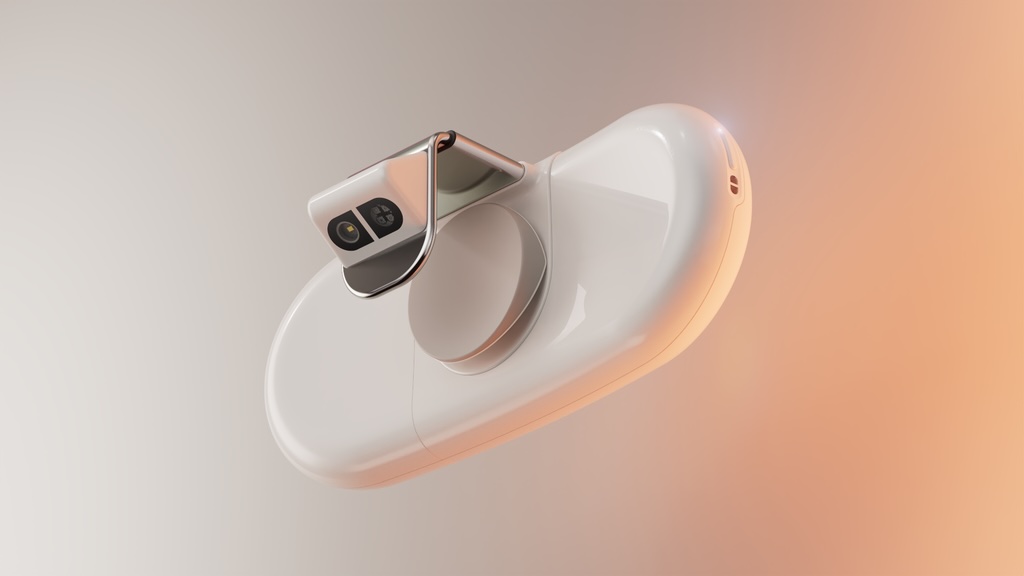
Kohler’s Dekoda Smart Toilet Camera: Privacy Concerns Over Misleading Encryption Claims
In early 2025, Kohler, a renowned home goods manufacturer, introduced the Dekoda, a cutting-edge smart camera designed to attach to toilet bowls. This innovative device captures images of the toilet’s contents, analyzing them to provide insights into users’ gut health. To address potential privacy concerns, Kohler assured consumers that the Dekoda’s sensors focus solely on the toilet bowl and that all data is secured using end-to-end encryption.
However, recent findings have cast doubt on these claims. Security researcher Simon Fondrie-Teitler highlighted discrepancies in Kohler’s encryption assertions. Upon reviewing Kohler’s privacy policy, it became evident that the company employs Transport Layer Security (TLS) encryption, which safeguards data during its transmission over the internet. While TLS is a standard security measure for online communications, it differs significantly from true end-to-end encryption.
End-to-end encryption ensures that data remains encrypted from the sender to the recipient, preventing any intermediaries, including service providers, from accessing the content. This method is widely adopted by messaging platforms like iMessage, Signal, and WhatsApp to guarantee user privacy. In contrast, TLS encryption protects data only during its transit, allowing service providers to access and process the data once it reaches their servers.
The distinction between these encryption methods is crucial. By labeling their encryption as end-to-end, Kohler may inadvertently mislead consumers into believing that their data is inaccessible to the company. This misrepresentation raises significant privacy concerns, especially given the sensitive nature of the data collected by the Dekoda.
When approached for clarification, a Kohler representative informed Fondrie-Teitler that user data is encrypted at rest—meaning it is stored securely on the user’s mobile device, the toilet attachment, and Kohler’s servers. Additionally, data in transit is encrypted as it moves between the user’s devices and Kohler’s systems, where it is decrypted and processed to deliver the intended service.
This admission indicates that Kohler has access to the data once it reaches their servers, contradicting the principles of true end-to-end encryption. The ability of the company to decrypt and process user data suggests potential vulnerabilities and raises questions about how this sensitive information is utilized.
Further concerns arise regarding the potential use of customer data for artificial intelligence (AI) training. Given Kohler’s access to the images captured by the Dekoda, there is speculation that these images could be employed to enhance AI algorithms. Kohler addressed this concern by stating that their algorithms are trained exclusively on de-identified data. However, the effectiveness of de-identification methods and the potential for re-identification remain contentious issues in data privacy discussions.
The Dekoda is priced at $599, accompanied by a mandatory subscription fee starting at $6.99 per month. This investment prompts consumers to weigh the benefits of personalized health insights against the potential risks associated with data privacy.
The broader implications of this situation underscore the importance of accurate terminology in consumer technology. Misusing terms like end-to-end encryption can lead to a false sense of security among users, potentially exposing them to privacy breaches. As consumers become increasingly aware of data privacy issues, companies must ensure transparency and accuracy in their communications to maintain trust and credibility.
In conclusion, while the Dekoda offers innovative health monitoring capabilities, the discrepancies in Kohler’s encryption claims highlight the need for vigilance and informed decision-making by consumers. Understanding the nuances of data security measures is essential in an era where personal information is continually collected and analyzed by smart devices.