Unveiling AI’s Role in the Next Wave of Cybercrime
The landscape of cyber threats has undergone a seismic shift. Gone are the days when phishing emails were riddled with glaring errors and implausible narratives. Today, even individuals with minimal technical expertise can orchestrate sophisticated cyber attacks, thanks to the advent of AI-driven tools. This evolution has effectively industrialized cybercrime, lowering the barrier to entry and rendering traditional email filters increasingly ineffective.
The Emergence of AI-Powered Cybercrime Tools
Recent developments have introduced a trio of AI tools that are redefining the cyber threat landscape:
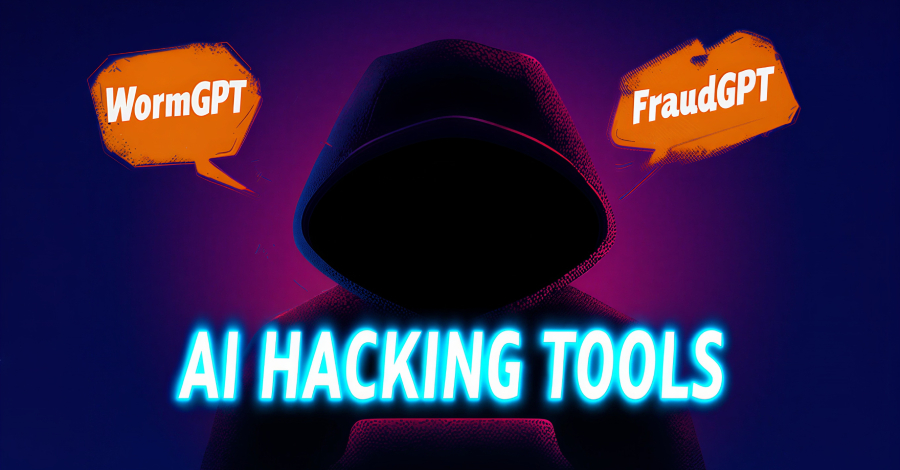
1. WormGPT: This tool mirrors the capabilities of ChatGPT but operates without ethical constraints. It can craft impeccable, highly personalized Business Email Compromise (BEC) messages that convincingly mimic communications from executives, devoid of any telltale errors.
2. FraudGPT: Dubbed the Netflix of hacking, FraudGPT offers a subscription-based suite of tools enabling users to generate malicious code, design deceptive landing pages, and draft fraudulent emails. It epitomizes the hacking-as-a-service model, making sophisticated cyber attacks accessible to a broader audience.
3. SpamGPT: Functioning akin to advanced marketing automation platforms, SpamGPT allows cybercriminals to conduct A/B testing on their scams and disseminate them at volumes that can overwhelm standard detection mechanisms.
The proliferation of these tools signifies a critical challenge: the rapid evolution of AI-driven cyber threats outpaces the ability of organizations to adapt their defensive strategies. Traditional detection methods, which rely on identifying known signatures or patterns, are becoming obsolete as AI enables the continuous generation of novel, undetectable attack vectors.
Rethinking Defensive Strategies
In light of these advancements, it’s imperative to shift the focus from merely blocking malicious emails to safeguarding user identities and credentials. Recognizing that some users will inevitably fall prey to these sophisticated attacks, organizations must implement measures that render such breaches inconsequential. This involves:
– Identifying AI-Generated Threats: Developing mechanisms to detect the unique signatures associated with tools like WormGPT and FraudGPT.
– Emphasizing Identity Protection: Transitioning from a perimeter-based defense to strategies that prioritize the security of user identities and access controls.
– Neutralizing Attacks at Access Points: Ensuring that even if users interact with phishing content, attackers are unable to extract valuable credentials or sensitive information.
The adversaries are leveraging AI to scale their operations; it’s incumbent upon defenders to harness intelligence and innovative strategies to fortify their defenses.