India’s New SIM-Binding Rule: A Game-Changer for Messaging Apps
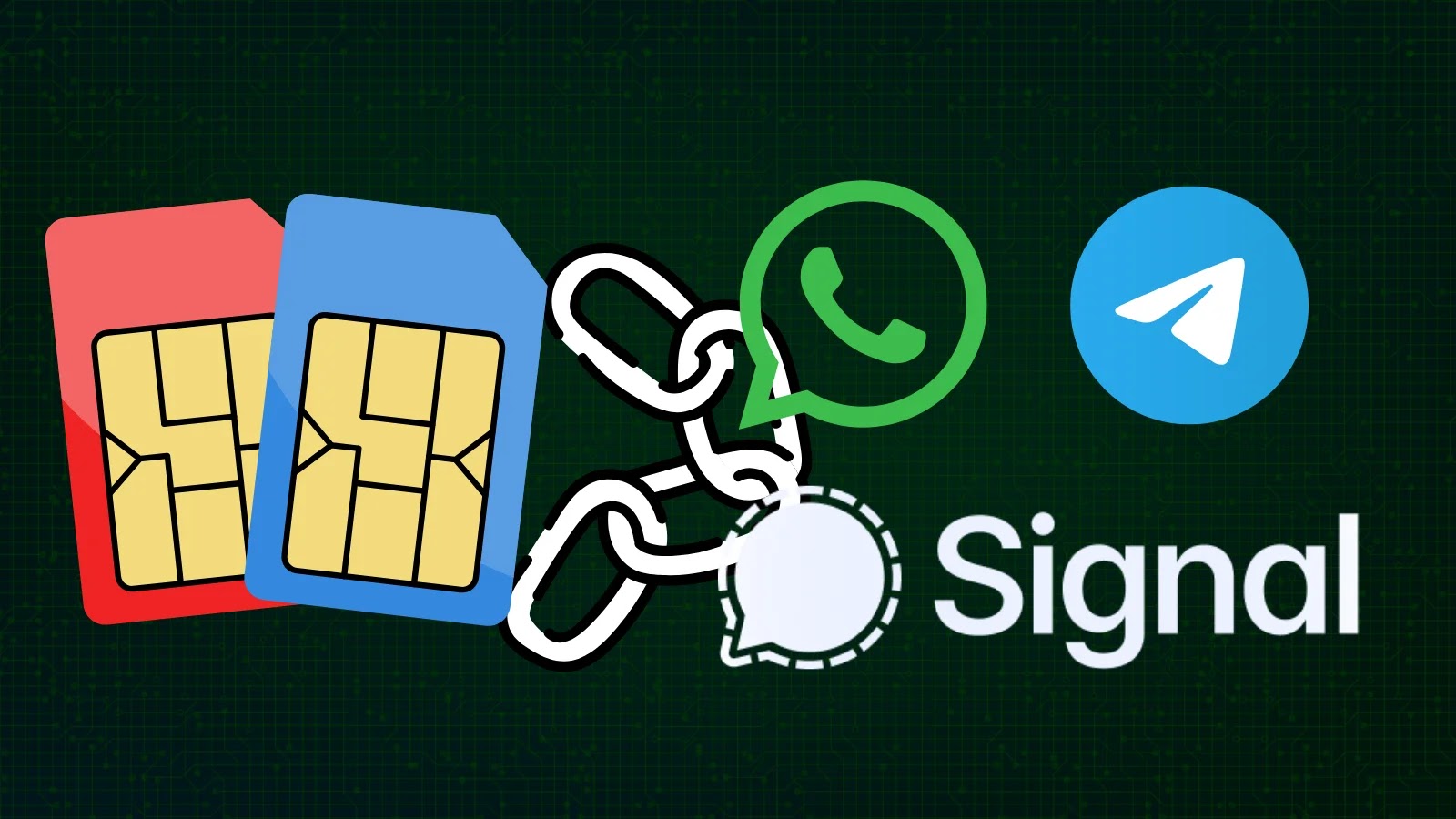
In a significant move to bolster digital security, India’s Department of Telecommunications (DoT) has introduced a mandatory SIM-binding requirement for all messaging applications, including popular platforms like WhatsApp, Telegram, Signal, and Snapchat. This directive, issued on November 28, 2025, mandates that users must have an active SIM card in their devices to access messaging services.
Understanding the New SIM-Binding Rule
The core of this new regulation is to ensure that messaging platforms operate exclusively when an active SIM card is present in the device. This measure aims to enhance user traceability and curb the misuse of messaging services for fraudulent activities.
Key Provisions of the Directive:
1. Mandatory SIM Presence: Messaging applications are required to function only when an active SIM card is detected in the device.
2. Web Version Restrictions: For web-based versions of these applications, users will be automatically logged out every six hours. Re-authentication via QR code will be necessary to continue using the service.
3. Compliance Timeline: Service providers have a 90-day window to implement these changes and must submit compliance reports to the DoT within 120 days.
4. Penalties for Non-Compliance: Failure to adhere to these regulations will result in penalties under the Telecommunications Act, 2023, and related cybersecurity laws.
Rationale Behind the Regulation
The Indian government has cited a sharp increase in digital fraud as the primary impetus for this directive. In 2024 alone, losses from digital fraud amounted to Rs 22,800 crore. By enforcing continuous SIM linkage, authorities aim to restore traceability to accounts involved in various scams, including phishing schemes, investment frauds, digital arrest frauds, and predatory loan operations.
This approach is expected to effectively track and prevent cross-border digital crimes that exploit the current system, where messaging apps continue to function even after SIM removal or deactivation.
Industry Reactions
The directive has elicited mixed responses from industry stakeholders.
– Support from Telecom Operators: The Cellular Operators Association of India (COAI), representing major telecom providers such as Reliance Jio, Bharti Airtel, and Vodafone Idea, has expressed strong support for the measure. COAI argues that continuous SIM linkage ensures complete accountability and addresses persistent security gaps that have enabled privacy breaches and misuse of communication platforms.
– Concerns from Tech Companies: Conversely, the Broadband India Forum (BIF), representing technology giants including Meta and Google, has raised serious concerns about the directive. BIF contends that the requirements extend beyond the mandate of telecommunications regulations and pose significant jurisdictional, consumer impact, and operational risks. They have urged the government to pause implementation timelines and conduct broader stakeholder consultations before proceeding.
Implications for Users and Service Providers
This regulation applies to all messaging applications operating in India, affecting millions of users. Users who maintain active SIM cards in their devices while roaming internationally will not be impacted by this directive.
Service providers now face a critical 90-day period to redesign their authentication systems and comply with these evolving regulations. This may involve significant technical adjustments to ensure that their platforms can detect active SIM cards and enforce the new login requirements for web versions.
Conclusion
India’s new SIM-binding rule represents a significant step in the country’s efforts to enhance digital security and combat fraud. While it aims to provide greater traceability and accountability, the directive also presents challenges for service providers and raises important questions about user privacy and operational feasibility. As the compliance deadline approaches, it will be crucial for all stakeholders to collaborate and address these concerns to ensure a balanced and effective implementation of the regulation.