Unveiling Lazarus Group’s Remote-Worker Infiltration Tactics
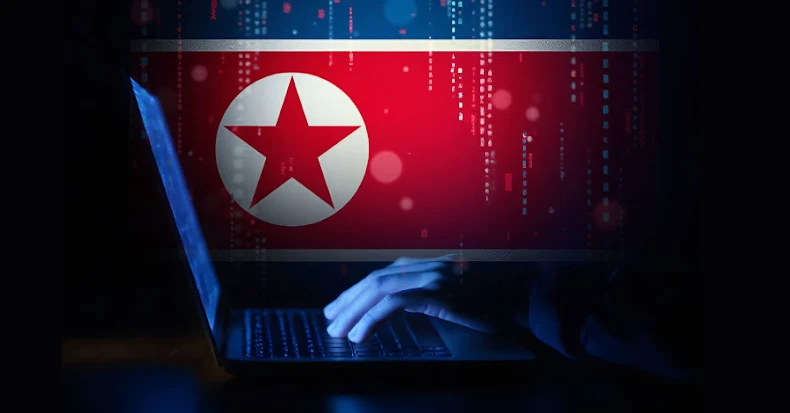
In a groundbreaking investigation, cybersecurity experts have exposed the intricate methods employed by North Korea’s Lazarus Group to infiltrate Western organizations through remote IT positions. This operation, spearheaded by Mauro Eldritch of BCA LTD, in collaboration with NorthScan and ANY.RUN, sheds light on the group’s sophisticated identity theft and remote access strategies.
The Deceptive Recruitment Process
The scheme initiates with Lazarus operatives, such as one using the alias Aaron or Blaze, posing as recruiters. They target professionals in sectors like finance, cryptocurrency, healthcare, and engineering, offering remote job opportunities. The objective is to embed North Korean IT workers into Western companies by:
– Assuming or stealing identities.
– Utilizing AI tools to navigate job interviews.
– Operating remotely via the victim’s computer.
– Redirecting salaries back to North Korea.
Once trust is established, the recruiter requests comprehensive access, including Social Security Numbers, identification documents, LinkedIn and Gmail credentials, and continuous access to the victim’s laptop.
The Countermeasure: Simulated Work Environments
To counteract this infiltration, the investigative team employed ANY.RUN’s sandboxed virtual machines, meticulously configured to mimic active personal workstations. These environments featured:
– Authentic usage histories.
– Developer tools.
– U.S. residential proxy routing.
This setup allowed researchers to monitor the operatives’ activities without detection, capturing their methods in real-time.
Insights into Lazarus Group’s Toolkit
The investigation revealed a streamlined yet potent set of tools focused on identity takeover and remote access:
– AI-Driven Job Automation Tools: Applications like Simplify Copilot, AiApply, and Final Round AI were used to automate job applications and generate interview responses.
– Browser-Based OTP Generators: Tools such as OTP.ee and Authenticator.cc managed victims’ two-factor authentication once identity documents were obtained.
– Google Remote Desktop: Configured via PowerShell with a fixed PIN, this provided persistent control over the host machine.
– System Reconnaissance Commands: Commands like dxdiag, systeminfo, and whoami validated hardware and environment details.
– VPN Usage: Connections were consistently routed through Astrill VPN, aligning with known Lazarus infrastructure patterns.
In one instance, an operative left a Notepad message instructing the developer to upload their ID, Social Security Number, and banking details, underscoring the operation’s goal of complete identity and workstation control without deploying traditional malware.
Implications for Organizations and Hiring Practices
This investigation highlights the evolving landscape of cyber threats, where remote hiring processes can serve as entry points for sophisticated identity-based attacks. Organizations must remain vigilant, as such infiltrations can grant attackers access to internal systems, sensitive data, and critical accounts.
Recommendations for Mitigation
To safeguard against such threats, organizations should:
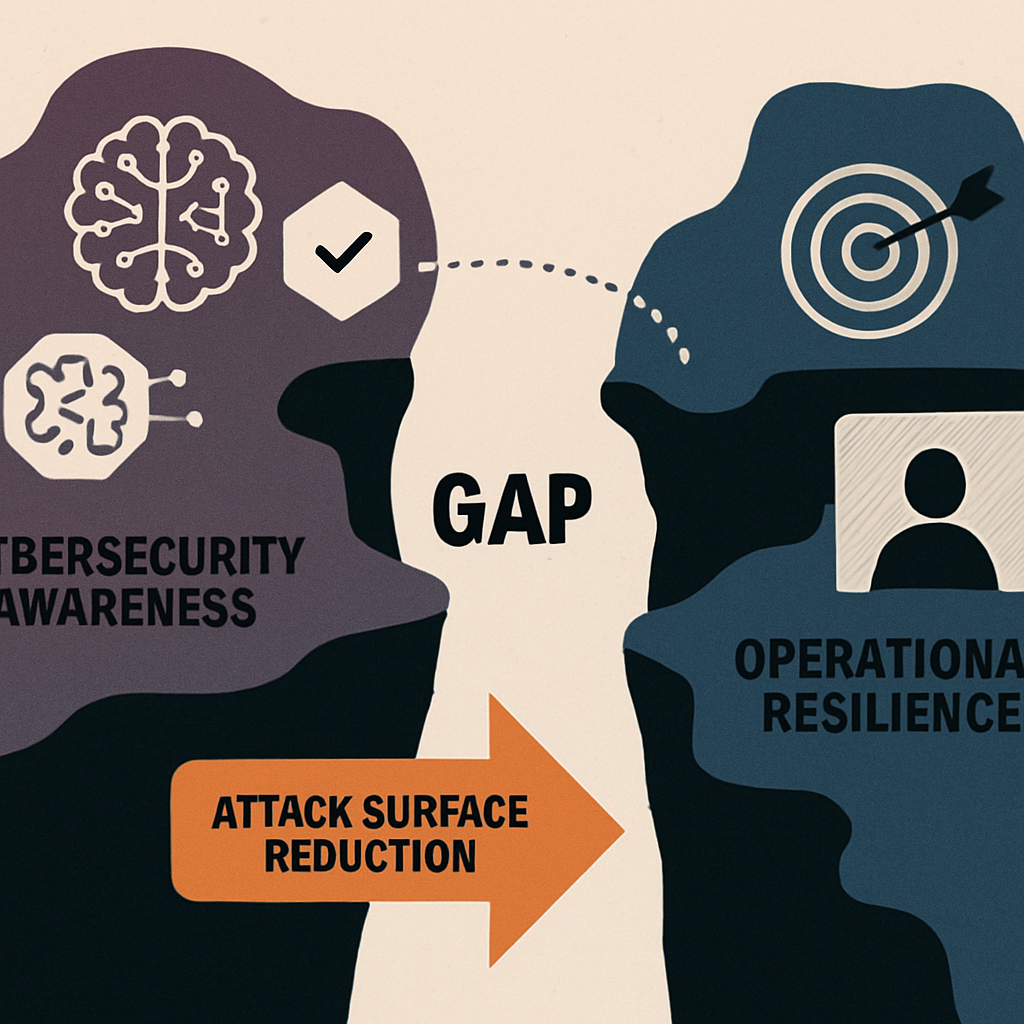
– Enhance Awareness: Educate employees about the risks associated with unsolicited job offers and the importance of verifying recruiter identities.
– Implement Robust Verification Processes: Establish stringent protocols for verifying the identities of remote workers and recruiters.
– Monitor for Anomalies: Utilize advanced monitoring tools to detect unusual activities, such as unexpected remote access requests or data transfers.
– Limit Access: Restrict access to sensitive systems and data based on necessity, ensuring that employees have only the permissions required for their roles.
By adopting these measures, organizations can fortify their defenses against the sophisticated tactics employed by groups like Lazarus, thereby protecting their assets and maintaining operational integrity.