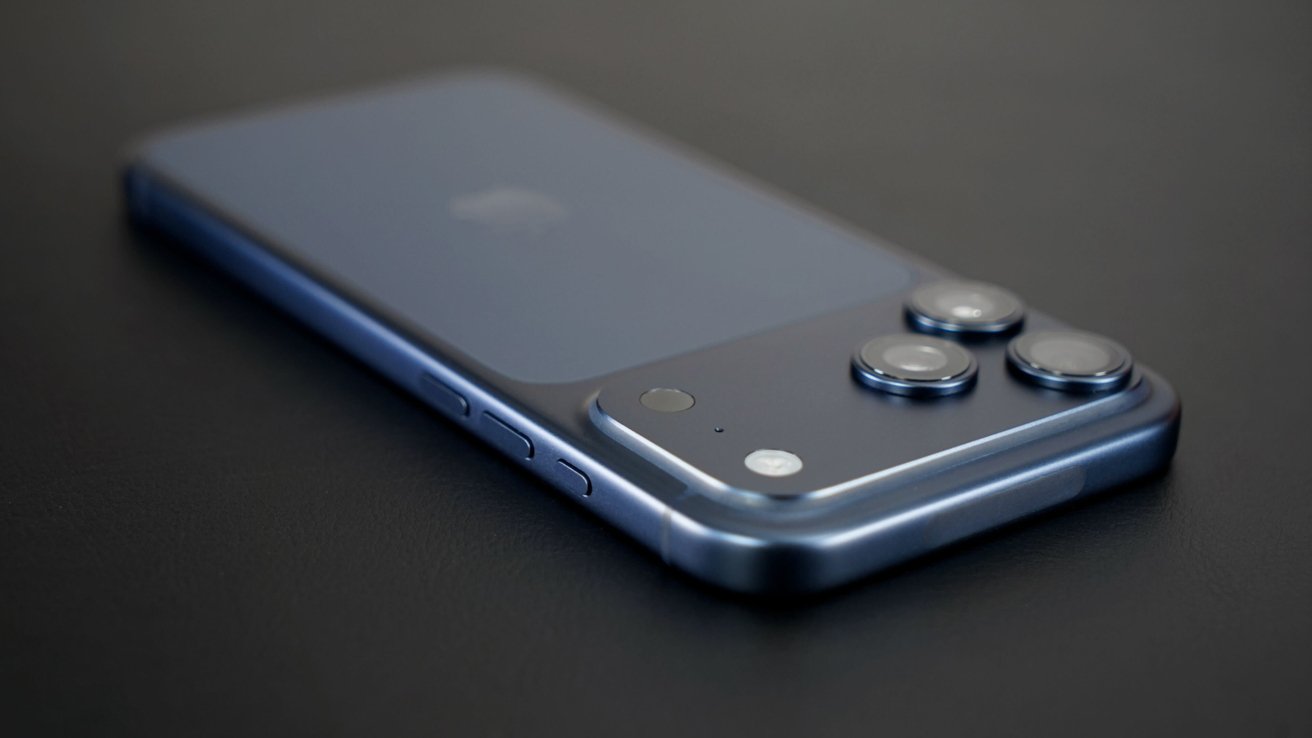
iPhone 17 Sales Propel Apple to Record Year Amid Rising Market Prices
In 2025, Apple’s iPhone 17 series has significantly influenced the global smartphone market, driving the company toward an unprecedented year of growth. The International Data Corporation (IDC) projects worldwide smartphone shipments to reach 1.25 billion units, marking a 1.5% year-over-year increase. This uptick is largely attributed to the robust performance of the iPhone 17 lineup, particularly in key markets such as China and emerging economies.
Apple’s Unprecedented Growth
Apple is on track to ship approximately 247.4 million iPhones in 2025, reflecting a 6.1% increase from the previous year. This surge is primarily driven by the iPhone 17 series, which has garnered substantial demand across various regions. Notably, in China, Apple’s market share surpassed 20% in October and November 2025, defying earlier predictions of a 1% decline and instead achieving a 3% growth. This unexpected performance has been instrumental in bolstering global smartphone shipments.
Factors Contributing to iPhone 17’s Success
Several elements have contributed to the iPhone 17’s remarkable success:
1. Pent-Up Demand: With over 1.5 billion active iPhones worldwide, approximately 315 million devices are more than four years old. This aging user base has created a substantial pool of potential upgraders, many of whom have been drawn to the iPhone 17’s advanced features and performance enhancements.
2. Strategic Pricing and Subsidies: In China, government subsidies covering 15% of electronics priced under 6,000 yuan ($823) have made the iPhone 17 more accessible. Apple strategically priced the iPhone 17 at 5,999 yuan ($822), making it eligible for these subsidies and thereby boosting its appeal among Chinese consumers.
3. Supply Chain Adaptability: Apple’s agile supply chain management has enabled the company to respond swiftly to surging demand. Reports indicate that Apple instructed suppliers to increase iPhone 17 production by up to 40% following higher-than-expected pre-orders. This flexibility has been crucial in meeting consumer demand without significant delays.
Impact on Apple’s Financial Performance
The success of the iPhone 17 has had a profound impact on Apple’s financial standing:
– Market Capitalization: In October 2025, Apple reached a market valuation of $4 trillion, a milestone achieved shortly after the iPhone 17’s launch. This valuation underscores investor confidence in Apple’s growth trajectory and its ability to capitalize on strong product cycles.
– Stock Performance: Apple’s stock price has experienced significant appreciation, reaching new all-time highs. Analysts, such as those from Wedbush Securities, have raised their 12-month price targets for Apple, citing the iPhone 17’s robust performance and the company’s resilient services growth.
Market Dynamics and Pricing Trends
The iPhone 17’s success has also influenced broader market dynamics:
– Average Selling Price (ASP): Despite a shift away from Pro models, the average selling price of iPhones in the U.S. has risen. In the first quarter of 2025, the U.S. Weighted Average Retail Price (US-WARP) for iPhones increased to $971, up from $953 in the previous quarter. This trend reflects consumers’ willingness to invest in higher-priced models, driven by the perceived value and features offered by the iPhone 17 series.
– Price Adjustments: Analysts anticipate that Apple may implement price increases across most iPhone models to offset rising component costs and tariffs. Specifically, there is speculation that the iPhone 17 Pro, iPhone 17 Pro Max, and the anticipated iPhone 17 Slim could see price hikes of approximately $50. Such adjustments would mark the first time the base configuration of the Pro model surpasses the $1,000 threshold.
Challenges on the Horizon
While 2025 has been a banner year for Apple, potential challenges loom:
– Memory Component Shortages: Industry forecasts suggest a looming shortage of memory components, which could lead to increased production costs and potential supply constraints. This shortage may impact the broader smartphone market, potentially leading to higher device prices and affecting sales volumes.
– Market Saturation and Competition: As the smartphone market approaches saturation, particularly in developed regions, Apple may face intensified competition from other manufacturers. Maintaining growth will require continued innovation and strategic market positioning.
Looking Ahead
Analysts remain optimistic about Apple’s future prospects:
– Upcoming Models: Anticipation is building for the iPhone 18 series, with expectations of continued strong demand. Morgan Stanley, for instance, has raised its price target for Apple, citing promising signs for the iPhone 18 and potential new models like the iPhone Fold.
– Services Growth: Apple’s services segment, encompassing offerings like the App Store, iCloud, and Apple Music, continues to be a significant growth driver. This diversification provides a buffer against potential fluctuations in hardware sales and contributes to a more stable revenue stream.
In conclusion, the iPhone 17’s success has propelled Apple to a record-breaking year, influencing market trends and reinforcing the company’s position as a leader in the technology sector. However, navigating upcoming challenges will require strategic foresight and adaptability to maintain this momentum.