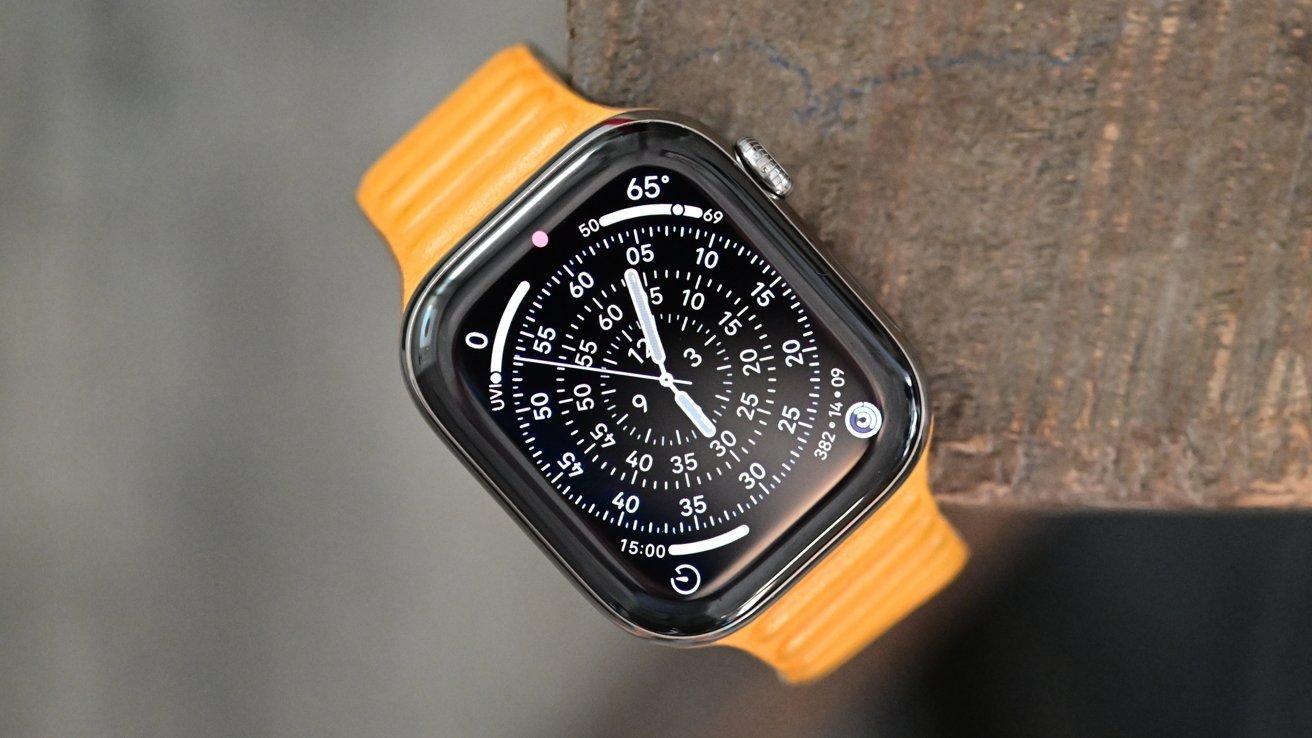
Unlocking Deeper Heart Insights: AI Enhances Apple Watch’s Optical Sensor Capabilities
In a groundbreaking development, Apple is exploring the potential of artificial intelligence (AI) to extract more comprehensive cardiac health data from the Apple Watch’s optical heart sensor. This initiative aims to transform the wearable device into an even more powerful tool for monitoring cardiovascular health.
Background on Apple Watch’s Health Monitoring
Since its inception, the Apple Watch has been at the forefront of integrating health monitoring features into wearable technology. The device’s optical heart sensor, utilizing photoplethysmography (PPG), measures heart rate by detecting blood flow variations in the wrist. Over the years, Apple has expanded the Watch’s capabilities to include features like atrial fibrillation (AFib) detection and, more recently, hypertension notifications introduced with watchOS 26.
The hypertension notification feature analyzes data from the optical heart sensor to assess how a user’s blood vessels respond to heartbeats. Operating passively in the background over 30-day periods, it alerts users if consistent signs of hypertension are detected. While not a diagnostic tool, Apple anticipates that this feature could notify over a million individuals with undiagnosed hypertension within its first year.
Advancements in AI and Optical Sensor Data
A recent study titled Hybrid Modeling of Photoplethysmography for Non-Invasive Monitoring of Cardiovascular Parameters sheds light on how AI can enhance the extraction of cardiovascular biomarkers from PPG signals. Although the study doesn’t explicitly mention the Apple Watch, its findings have significant implications for wearable health technology.
The research introduces a hybrid approach that combines hemodynamic simulations with real-world clinical data to estimate cardiovascular parameters directly from PPG signals. By training a generative model on a vast dataset of simulated arterial pressure waveforms (APWs) and real-world simultaneous APW and PPG measurements, the researchers demonstrated the feasibility of inferring detailed cardiac metrics from PPG data.
Implications for Apple Watch Users
Integrating AI-driven analysis into the Apple Watch’s optical sensor could revolutionize personal health monitoring. Users might gain access to more detailed insights into their cardiovascular health, including metrics like arterial stiffness, pulse wave velocity, and other indicators of heart health. This advancement could lead to earlier detection of potential health issues and more personalized health recommendations.
Challenges and Considerations
While the potential benefits are substantial, several challenges must be addressed:
– Accuracy and Validation: Ensuring that AI-derived metrics are accurate and reliable is paramount. Rigorous validation against gold-standard clinical measurements is necessary.
– Regulatory Approval: Features providing health-related insights must comply with regulatory standards. Apple has previously navigated this landscape, as seen with the FDA’s approval of the AFib detection feature.
– User Privacy: Handling sensitive health data requires robust privacy measures to protect user information.
Future Prospects
Apple’s exploration into AI-enhanced health monitoring aligns with its broader commitment to advancing health technology. By leveraging AI to interpret data from existing sensors, Apple can offer users deeper health insights without additional hardware. This approach not only enhances the value of the Apple Watch but also positions it as a pivotal tool in proactive health management.
As research progresses, users can anticipate more sophisticated health monitoring features that provide comprehensive, real-time insights into their well-being. This evolution underscores the transformative potential of combining wearable technology with artificial intelligence in the realm of personal health.