Apple Appoints Amar Subramanya as New AI Chief Amid Leadership Transition
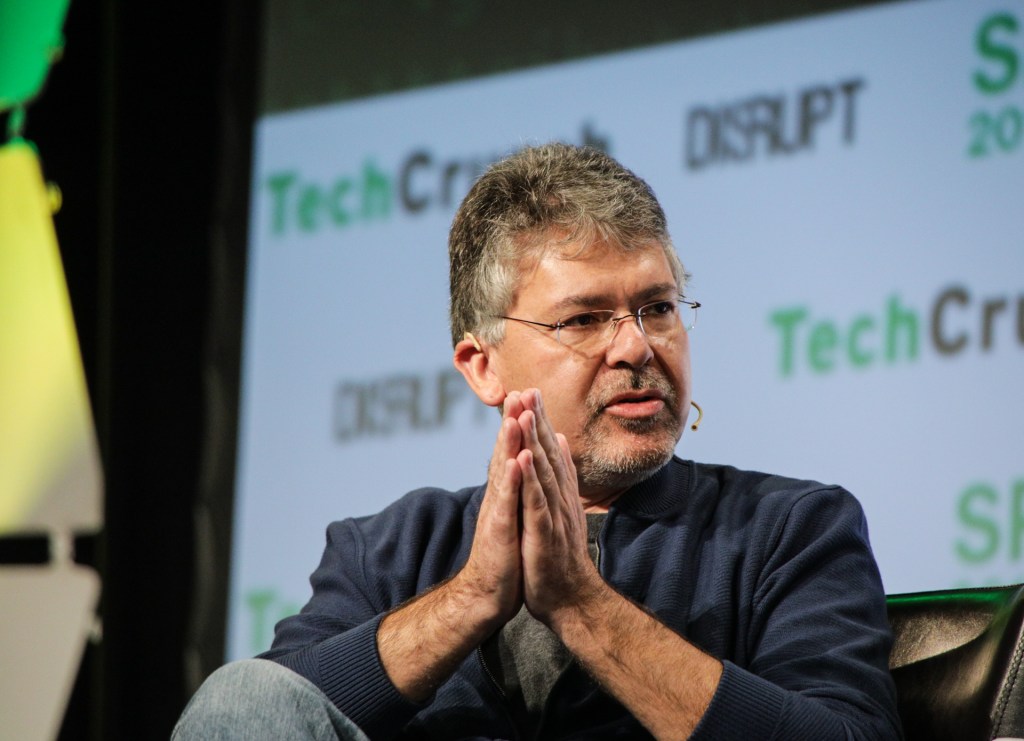
In a strategic leadership shift, Apple has announced the departure of John Giannandrea, its Senior Vice President of Machine Learning and AI Strategy since 2018. Giannandrea will remain with the company in an advisory capacity through the spring. Succeeding him is Amar Subramanya, a seasoned executive with extensive experience at both Google and Microsoft, most recently leading engineering for the Gemini Assistant.
This transition comes at a pivotal time for Apple, as the company seeks to revitalize its artificial intelligence initiatives. The launch of Apple Intelligence in October 2024 was met with critical reviews, ranging from underwhelming to alarming. Early issues included a notification summary feature that generated inaccurate and misleading headlines, leading to public complaints and scrutiny.
The challenges extended to Siri’s anticipated overhaul. A Bloomberg investigation in May 2025 revealed significant internal struggles, including a failed test by Craig Federighi, Apple’s software chief, which led to an indefinite delay of the new Siri launch. This delay resulted in class-action lawsuits from iPhone 16 buyers who had been promised an AI-powered assistant.
Prior to his departure, Giannandrea’s responsibilities had been reduced. In March 2025, CEO Tim Cook reassigned oversight of Siri to Mike Rockwell, the creator of Vision Pro, and removed the robotics division from Giannandrea’s control.
Amar Subramanya brings a wealth of experience to his new role. His 16-year tenure at Google, culminating in his leadership of the Gemini Assistant engineering team, positions him well to navigate the competitive AI landscape. His appointment signals Apple’s commitment to strengthening its AI capabilities and addressing previous shortcomings.
Apple’s approach to AI has emphasized on-device processing using custom Apple Silicon chips, prioritizing user privacy by minimizing data collection. However, this strategy has faced challenges, as on-device models are typically less capable than larger models running in competitors’ data centers. Additionally, Apple’s reluctance to collect user data has limited its ability to train models on real-world information, potentially hindering performance.
The appointment of Subramanya reflects Apple’s recognition of the need for experienced leadership to advance its AI initiatives. As the company continues to invest in AI, the industry will be watching closely to see how these changes impact Apple’s position in the rapidly evolving AI landscape.