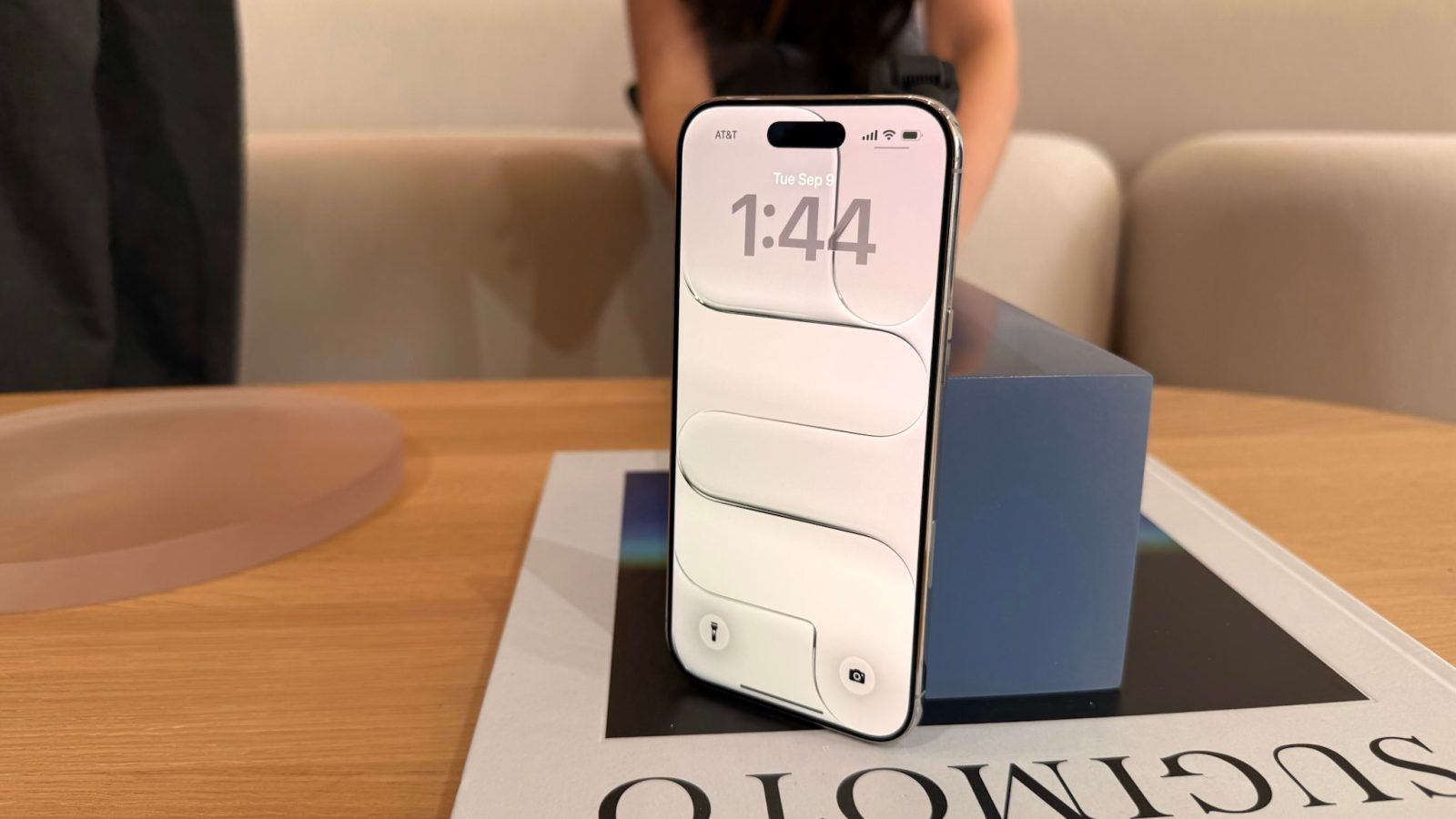
Apple’s latest innovation, the iPhone Air, has made a remarkable debut in the Chinese market, selling out within minutes of its pre-order launch on October 17, 2025. This unprecedented demand underscores the device’s appeal and marks a significant milestone for Apple in one of its most crucial markets.
Overcoming Regulatory Hurdles
The journey to this successful launch was not without challenges. Initially, the iPhone Air’s release in China faced delays due to stringent regulations surrounding eSIM technology. Unlike traditional SIM cards, eSIMs are embedded directly into devices, offering a more streamlined design and enhanced functionality. However, China’s regulatory environment had been cautious about adopting this technology, leading to a postponement of the iPhone Air’s availability in the region.
Apple collaborated closely with Chinese authorities to navigate these regulatory complexities. The breakthrough came when the Ministry of Industry and Information Technology authorized eSIM trials for smartphones, paving the way for the iPhone Air’s entry into the market. This approval allowed major telecom operators—China Mobile, China Unicom, and China Telecom—to support eSIM services, aligning with Apple’s innovative design choices.
Unprecedented Consumer Response
The anticipation for the iPhone Air was palpable. As pre-orders commenced at 9 a.m. local time, the device sold out almost instantly. Reports indicate that within minutes, all configurations and color options were unavailable across major cities, including Beijing and Shanghai. Online platforms reflected similar trends, with shipping estimates extending by one to two weeks due to the overwhelming demand.
This swift sell-out is particularly noteworthy given the competitive landscape of China’s smartphone market. Domestic brands like Huawei and Xiaomi have been formidable contenders, offering feature-rich devices at competitive prices. The iPhone Air’s immediate success suggests a strong consumer preference for Apple’s design and technological advancements.
Design and Features: A New Benchmark
The iPhone Air stands out with its ultra-thin profile, measuring just 5.6mm in thickness. This sleek design is complemented by the exclusive use of eSIM technology, eliminating the need for a physical SIM card slot and contributing to the device’s streamlined aesthetics. Beyond its form factor, the iPhone Air boasts an upgraded A18 chip, an enhanced camera system, and improved battery life, catering to users seeking both style and performance.
Priced starting at 7,999 yuan (approximately $1,122), the iPhone Air positions itself in the premium segment of the market. Despite its higher price point, the device’s rapid sell-out indicates that consumers are willing to invest in cutting-edge technology and design.
Strategic Engagements and Market Implications
Apple CEO Tim Cook’s recent visit to China played a pivotal role in the iPhone Air’s successful launch. During his trip, Cook engaged with local developers, suppliers, and government officials, reinforcing Apple’s commitment to the Chinese market. His interactions, including meetings with Vice-Premier He Lifeng and participation in events at Tsinghua University, underscored the strategic importance of China in Apple’s global operations.
The iPhone Air’s success also reflects broader market dynamics. In the third quarter of 2025, Apple’s smartphone shipments in China increased by 0.6% year-over-year, capturing a 15.8% market share and rising to the second spot in terms of shipments. This growth is particularly significant given the overall 0.6% decline in the Chinese smartphone market during the same period. The strong performance of the iPhone 17 series, including the iPhone Air, has been instrumental in this achievement.
Looking Ahead: Sustaining Momentum
The iPhone Air’s immediate sell-out sets a high benchmark for future product launches. To sustain this momentum, Apple will need to ensure a steady supply chain to meet consumer demand and continue its collaborative approach with Chinese regulators and partners. Additionally, maintaining a focus on innovation and user experience will be crucial in retaining and expanding its market share in China.
As the smartphone industry evolves, the iPhone Air’s success story in China serves as a testament to the power of design, technology, and strategic engagement in capturing consumer interest and driving sales.